Elena Koch · 18 September 2026
Exploring Data Handling Shifts in Emerging Web Services and Their Effects on User Retention Patterns
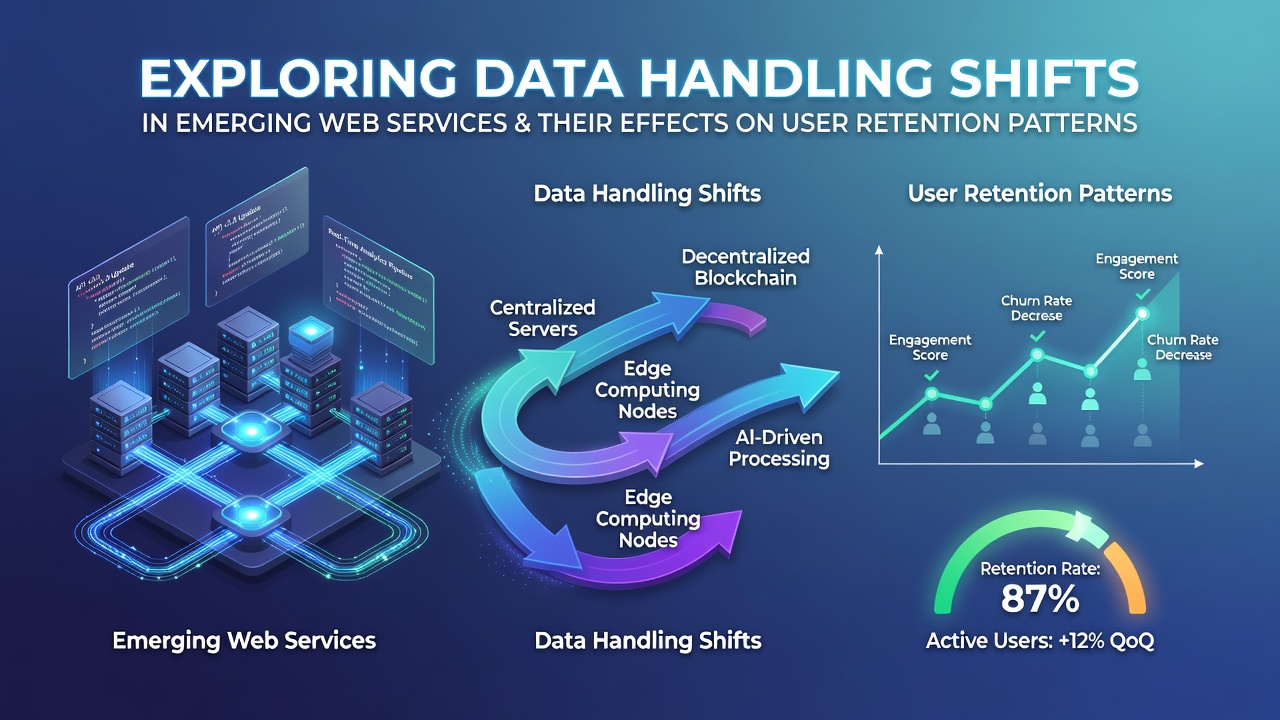
Emerging web services continue to adjust how they collect, store, and process user information as cloud architectures expand and privacy regulations tighten across multiple jurisdictions. These adjustments often involve moving from centralized data repositories to distributed models that incorporate edge computing and federated analysis techniques, while companies integrate machine learning systems that require continuous data streams. Observers note that such changes coincide with rising user awareness of personal data value, leading many platforms to test consent mechanisms that allow granular control over information sharing.
Current Patterns in Data Management
Research from academic institutions shows that web services launched after 2023 frequently adopt zero-knowledge architectures and differential privacy methods to limit exposure during routine operations. These approaches reduce the volume of raw data retained on central servers, yet they still support targeted personalization features that depend on aggregated insights. Data indicates that services using these methods report lower rates of unauthorized access incidents compared with older centralized systems, according to figures compiled by regulatory bodies in the European Union.
At the same time, emerging platforms in sectors like collaborative tools and content delivery networks have begun shifting toward on-device processing where possible. This reduces latency for users and decreases the amount of information transmitted to remote servers, while companies that implement these changes often observe measurable differences in how long visitors remain active on their sites. Studies from North American research centers reveal that retention metrics improve when users perceive greater transparency around data flows, even if the actual volume of data collected stays constant.
Regulatory Developments and Industry Responses
New compliance requirements scheduled for September 2026 in several regions are expected to mandate clearer documentation of data retention periods and automated deletion options. Service operators have started preparing by updating their backend systems now, which involves auditing legacy datasets and redesigning consent interfaces. The European Commission has published guidance documents outlining minimum standards for these updates, and many companies cite these documents when explaining their timeline to stakeholders.
Industry groups in Canada and Australia have released parallel frameworks that emphasize user portability rights, allowing individuals to export their activity histories without disrupting ongoing service access. Platforms that align with these frameworks ahead of deadlines report fewer support tickets related to account management, while those lagging behind encounter increased churn during migration periods. Figures from government statistical agencies indicate that services demonstrating proactive compliance retain higher percentages of monthly active users over multi-quarter spans.
Measured Impacts on User Behavior
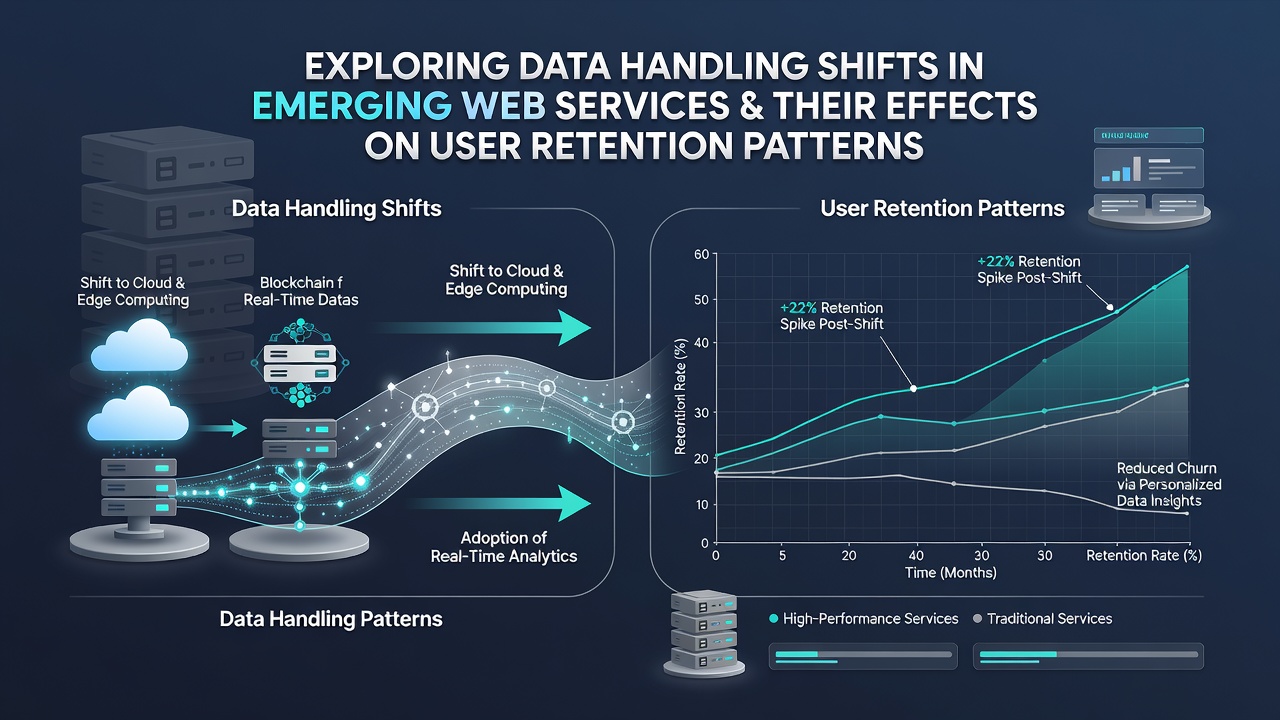
Retention patterns shift noticeably when data handling practices change, whether through policy updates or technical infrastructure upgrades. One analysis of streaming and productivity platforms found that announcements about reduced data retention periods correlated with a 12 to 18 percent increase in return visits within the following month. Users who received clear notifications about new deletion schedules showed higher engagement levels than those who received no communication, according to internal metrics shared in industry reports.
Conversely, services that experienced publicized data incidents during transition phases saw accelerated declines in daily active users. Researchers tracking these events across multiple continents documented recovery timelines that averaged between four and seven months when remediation included public audits and third-party verification. The speed of recovery varied by region, with platforms serving markets that have stronger consumer protection agencies regaining users more rapidly than those in less regulated environments.
Technical Implementations and Retention Data
Companies experimenting with synthetic data generation for testing environments report fewer privacy-related complaints while maintaining development velocity. These techniques allow teams to simulate user interactions without accessing real records, and services adopting them have documented stable retention curves even during periods of rapid feature rollout. Academic papers examining these implementations note that the quality of synthetic datasets directly influences how well personalization algorithms continue to perform after the switch.
Edge-based analytics tools have also gained traction because they keep sensitive processing closer to the user device. Metrics collected by several large content platforms show that pages loading with local computation finish faster and produce higher completion rates for tasks like form submissions and profile updates. The resulting improvement in perceived reliability contributes to longer session durations, particularly among users who access services on mobile networks where connection stability varies.
Conclusion
Patterns emerging from recent deployments suggest that data handling methods influence retention through both technical performance and user perception of control. Services that communicate changes clearly and implement verifiable safeguards maintain steadier user bases during regulatory transitions. As standards evolve toward the September 2026 benchmarks, ongoing measurement of these variables will continue to shape how new web services design their core data workflows and measure long-term engagement.