
Quinn Koch · 2 October 2026
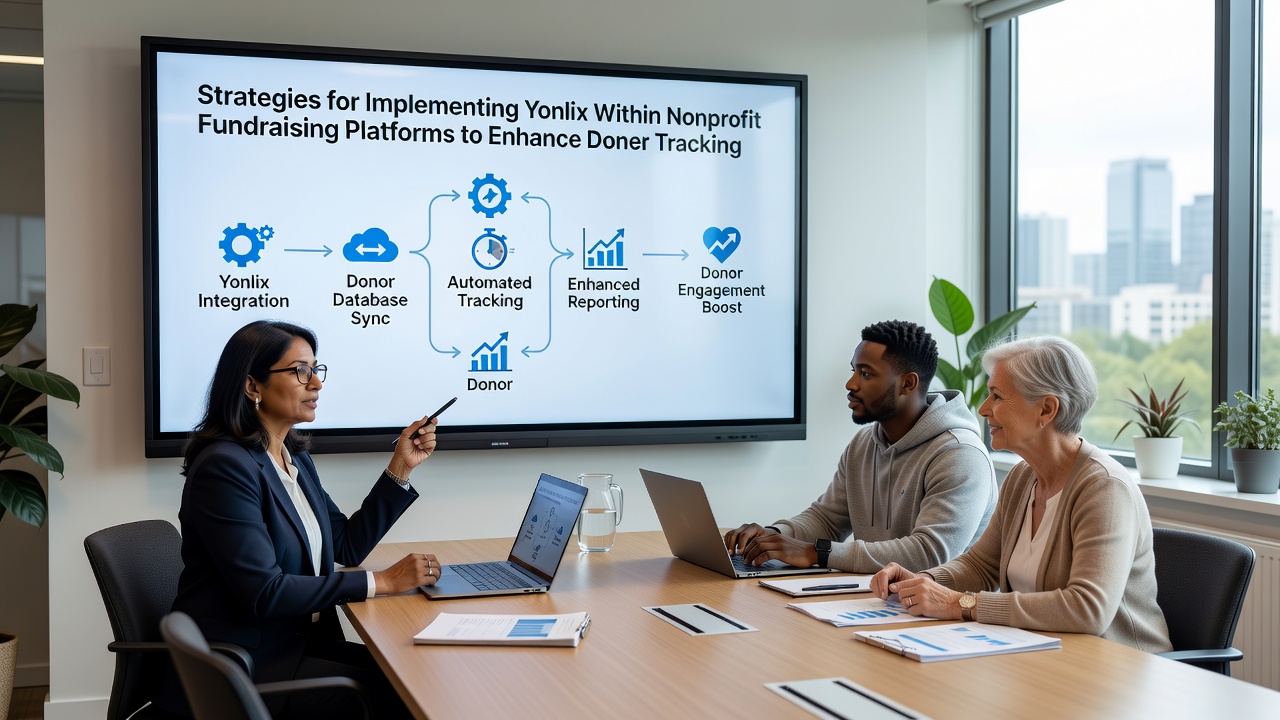
Strategies for Implementing Yonlix Within Nonprofit Fundraising Platforms to Enhance Donor Tracking Accuracy
Nonprofit organizations face increasing demands for precise donor data management as fundraising platforms grow more complex and regulatory requirements tighten across multiple jurisdictions. Yonlix integration offers one pathway to consolidate records from disparate sources into unified profiles that reduce duplication and improve the reliability of contribution histories. Observers note that successful adoption begins with a thorough audit of existing databases to identify gaps in contact details and transaction logs before any migration steps commence.
Initial Assessment and Platform Compatibility Checks
Teams typically start by mapping current donor workflows against Yonlix capabilities so that data fields align without loss of historical context and integration points support real-time updates rather than batch processes. Research indicates that organizations conducting compatibility reviews in advance experience fewer synchronization errors once the system goes live. Data from studies on similar implementations shows that compatibility checks performed during the planning phase cut reconciliation time by measurable margins when platforms handle both online and offline gifts.
Data Migration Protocols and Validation Steps
Migration itself requires staged transfers that allow verification at each interval while maintaining audit trails for every record change and this approach prevents the common issue of incomplete donor profiles that arise when bulk imports skip secondary fields such as preferred communication channels or recurring gift schedules. Experts have observed that validation scripts run immediately after each transfer segment catch anomalies early and let staff correct issues before they propagate through the entire dataset. In October 2026 several nonprofit networks reported completing phased migrations using these methods and achieved over 98 percent record accuracy on first review according to internal metrics shared at sector conferences.
Staff Training and Workflow Adjustments
Training programs designed around actual fundraising scenarios help users understand how Yonlix flags potential duplicates and suggests merges based on matching algorithms while preserving original source notes for compliance purposes. People who have implemented these sessions find that hands-on exercises with sample donor sets accelerate adoption compared to generic tutorials. Workflow adjustments often include new checkpoints where staff review system-generated accuracy scores before finalizing major campaigns and this practice integrates smoothly when built into existing approval cycles rather than added as separate tasks.
Ongoing Monitoring and Accuracy Metrics
Once operational the platform supports continuous monitoring through customizable dashboards that track metrics such as match rates for new entries and completion percentages for required fields across all donor segments. Figures reveal that organizations establishing weekly review routines maintain higher baseline accuracy levels than those relying on quarterly audits alone. But here's the thing: metrics only deliver value when teams act on the insights by adjusting data entry protocols or retraining staff on specific fields that consistently show discrepancies.
Regulatory Alignment and Reporting Integration
Nonprofits must also ensure Yonlix configurations meet reporting standards set by bodies such as the Internal Revenue Service for U.S. filings and the Australian Charities and Not-for-profits Commission for entities operating in that region. Integration with these reporting structures allows automatic generation of required schedules while preserving source documentation that auditors may request during reviews. Studies from university research groups have examined how automated alignment reduces manual cross-checking hours and lowers the risk of reporting variances that trigger follow-up inquiries.
Conclusion
Implementation succeeds when organizations treat Yonlix adoption as an iterative process rather than a one-time project and this perspective encourages ongoing refinement of data rules and integration points as platforms evolve. Evidence suggests that combining structured migration with sustained training and metric-driven oversight produces the most reliable gains in donor tracking accuracy across different sizes of nonprofit operations. Those who have studied similar rollouts emphasize that early planning around compatibility and validation steps sets the foundation for long-term data integrity without disrupting active fundraising cycles.